EV Charger Installation · Denver Metro
EV Charger Installation
Level 2 chargers for your garage or driveway, with a load check, the right circuit and a permit.
Get a quote for ev charger installation
The online form isn't set up yet. The fastest way to reach us is by phone.
Call (303) 555-0118Level 1 or Level 2
Many EVs come with a cord that plugs into a regular 120-volt outlet. That is Level 1 charging, and it adds only a few miles of range per hour. It can be enough if you drive little and park for long stretches. Most owners want Level 2, which runs on a 240-volt circuit like a dryer or a range and can usually cover a typical daily commute overnight with time to spare. A Level 2 charger often sits on a 40- or 50-amp circuit, though many chargers can be set to draw less when the panel is tight.
Will my panel handle it
This is the first question we answer. We do a load calculation that looks at your service size, the big appliances you already have and anything else you plan to add, such as a heat pump. Plenty of homes have room for a charger as they are. When the panel is tight, a full upgrade is not the only option. A charger can be set to a lower amperage, a load management device can pause charging while the house is using a lot of power, and some chargers can share one circuit between two cars. If an upgrade does make sense, we price both and explain the difference.
Hardwired or plug-in
A charger can be wired directly to its circuit or plugged into a 240-volt outlet, usually a NEMA 14-50. Hardwiring is often the better choice. It allows a higher charging rate on the same wire size, there is no outlet to wear out from plugging and unplugging, and it avoids a common nuisance. Current code generally calls for GFCI protection on a 240-volt outlet in a garage or outdoors, and some chargers have their own ground fault protection that does not always get along with it, which leads to tripping. If you want an outlet so the charger can move with you, we use a heavy-duty receptacle and the protection the code requires.
Placement, wiring and permits
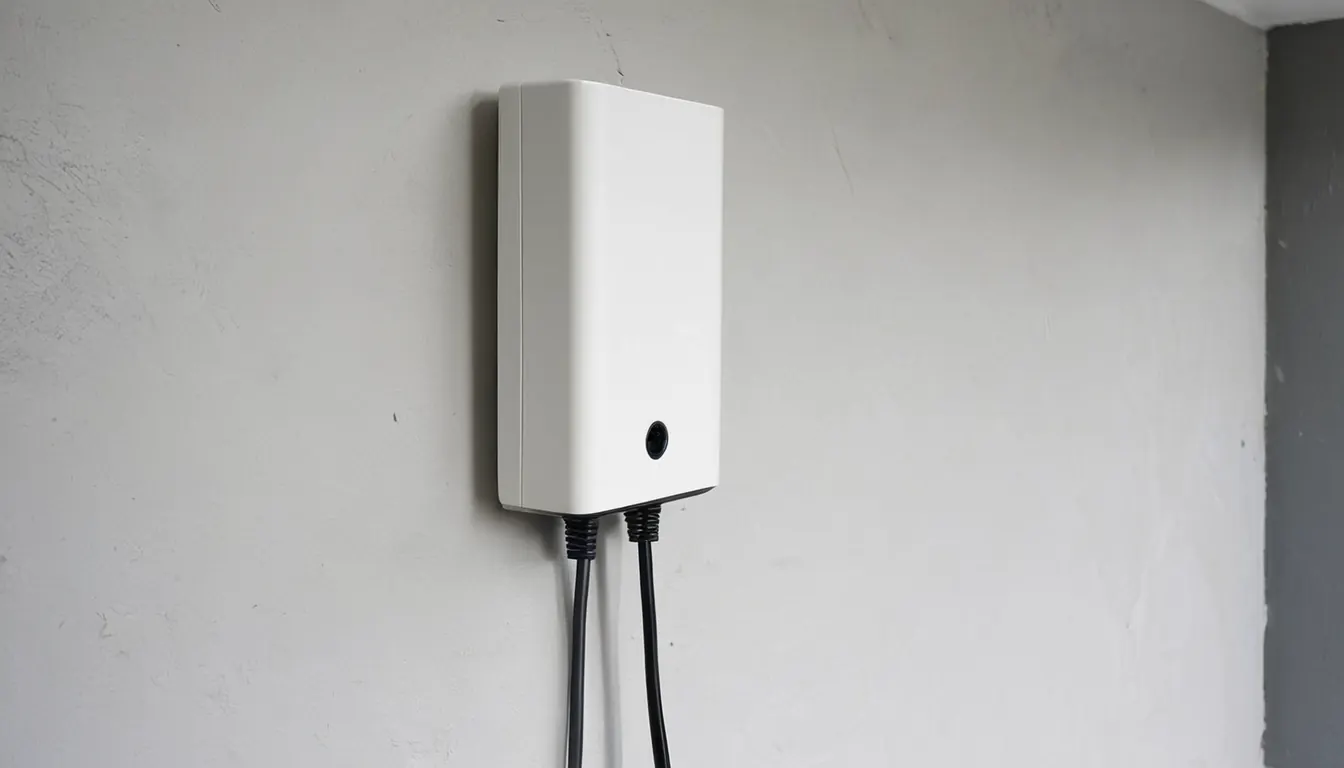
We place the charger where the cable reaches the car's charging port without stretching across the floor, and away from spots where a door or a bumper will hit it. In an attached garage near the panel, the run is short. Detached garages and driveway chargers need a longer run, sometimes underground, and that changes the price. Outdoor chargers need a rating for wet locations and a sturdy mount. EV charger circuits need an electrical permit in Colorado, and we pull it and arrange the inspection.
Rebates and the charger itself
You can buy the charger yourself or have us supply it. We are happy to install a unit you already own as long as it is listed by a recognized testing lab. Utility rebates are sometimes available for chargers and wiring, and some utility plans offer lower rates for charging overnight. Rebate programs and tax credits change often, so check the current rules before you count on one. We note the programs that may apply when we quote.
Areas served
EV Charger Installation across Denver Metro
What you get
What's included
Load calculation
We confirm your panel can carry the charger before we quote.
Charger placement
Mounted where the cable reaches the port without a tripping hazard.
Dedicated circuit
Wire and breaker sized to the charger's setting.
Permit and inspection
We pull the permit and arrange the inspection.
Setup and test
We set the charger's amperage and test it with you if the car is home.
Pricing
EV Charger Installation cost guide
| Job | Typical range | Notes |
|---|---|---|
| Level 2 charger, panel nearby | $900–$1,800 | Labor and materials, charger not included |
| Detached garage or driveway charger | $1,800–$3,800 | Trenching or long conduit runs cost more |
| NEMA 14-50 outlet | $500–$1,200 | With the GFCI protection the code requires |
| Load management device | $400–$1,200 | Can avoid a panel upgrade |
| Panel upgrade, if needed | $3,000–$6,500 | Priced separately after a load calculation |
Get a price for ev charger installation
Tell us what's going on. A Cedarvolt Electric electrician will call you back.
- Work guaranteed for 12 months
- Financing available on larger jobs
- Fully insured
Prefer to talk? (303) 555-0118
The online form isn't set up yet. The fastest way to reach us is by phone.
Call (303) 555-0118Why choose us
Why Denver Metro calls Cedarvolt Electric
Upfront prices
You approve the price before we start
Same-day service
Most calls booked the day you call
Licensed and insured
License number on every invoice
No subcontractors
Our own electricians on every job
5 out of 5 stars
Another company told us we needed a new panel for our EV charger. They did a load calculation, set the charger to 40 amps and added a load management device instead. It charges overnight with no trouble.
Luis T., Aurora · Google
Sample review
5 out of 5 stars
The kitchen breaker tripped every morning when the toaster and the kettle ran together. They split the counter outlets onto two circuits and replaced a worn GFCI. No more tripping.
Nora L., Englewood · Google
Sample review
4 out of 5 stars
A wind storm pulled the service mast off our garage at night. They made it safe, came back in the morning to rebuild it and dealt with the inspection and the utility. It took two days because of the inspection schedule, but they kept us in the loop.
Mike F., Parker · Google
Sample review
The process
How it works
Tell us about the car and the garage
Send the charger model, if you have one, and a photo of your panel.
Load check and quote
We confirm the panel can carry it and quote in writing.
Permit and install
We pull the permit and install, usually in half a day to a day.
Test and inspection
We set the charger, test it and meet the inspector.
Need ev charger installation today?
FAQ
EV Charger Installation questions
Do I need a panel upgrade for an EV charger?
Not always. We do a load calculation first. Many homes have room for a charger as they are, and when the panel is tight, a lower charger setting or a load management device can often avoid an upgrade.
Should I hardwire my charger or use an outlet?
Hardwiring is often the better choice. It allows a higher charging rate on the same wire, has no outlet to wear out and avoids nuisance tripping between the charger and the GFCI protection an outlet needs. An outlet makes sense if you want to take the charger with you.
More services