Home Rewiring · Denver Metro
Home Rewiring
Whole-home and partial rewiring for knob-and-tube, aluminum branch wiring and ungrounded outlets, planned room by room.
Get a quote for home rewiring
The online form isn't set up yet. The fastest way to reach us is by phone.
Call (303) 555-0118When rewiring makes sense
Wiring does not wear out on a fixed schedule, but some older systems were never built for the way people live now. Signs a house may need partial or full rewiring include knob-and-tube wiring, cloth-covered cable that crumbles when touched, lots of two-prong outlets, warm or discolored cover plates, frequent tripping on circuits that were added onto over the years, and earlier do-it-yourself work that does not meet code. An insurer or a home inspector flagging the wiring is another common reason. We start with an inspection and tell you what can stay, what should be repaired and what should be replaced.
Knob-and-tube wiring
The oldest homes around Denver, mostly built before the 1940s, may still have knob-and-tube wiring in the walls or attic. It was installed with care in its day, but it has no ground wire, its insulation can turn brittle, and it was designed to shed heat into open air. Buried under modern attic insulation or spliced into by later owners, it can overheat. Some insurers will not cover a house with active knob-and-tube wiring. In most cases we recommend replacing it, starting with the circuits that carry the most load and the ones that are easiest to reach.
Aluminum branch wiring
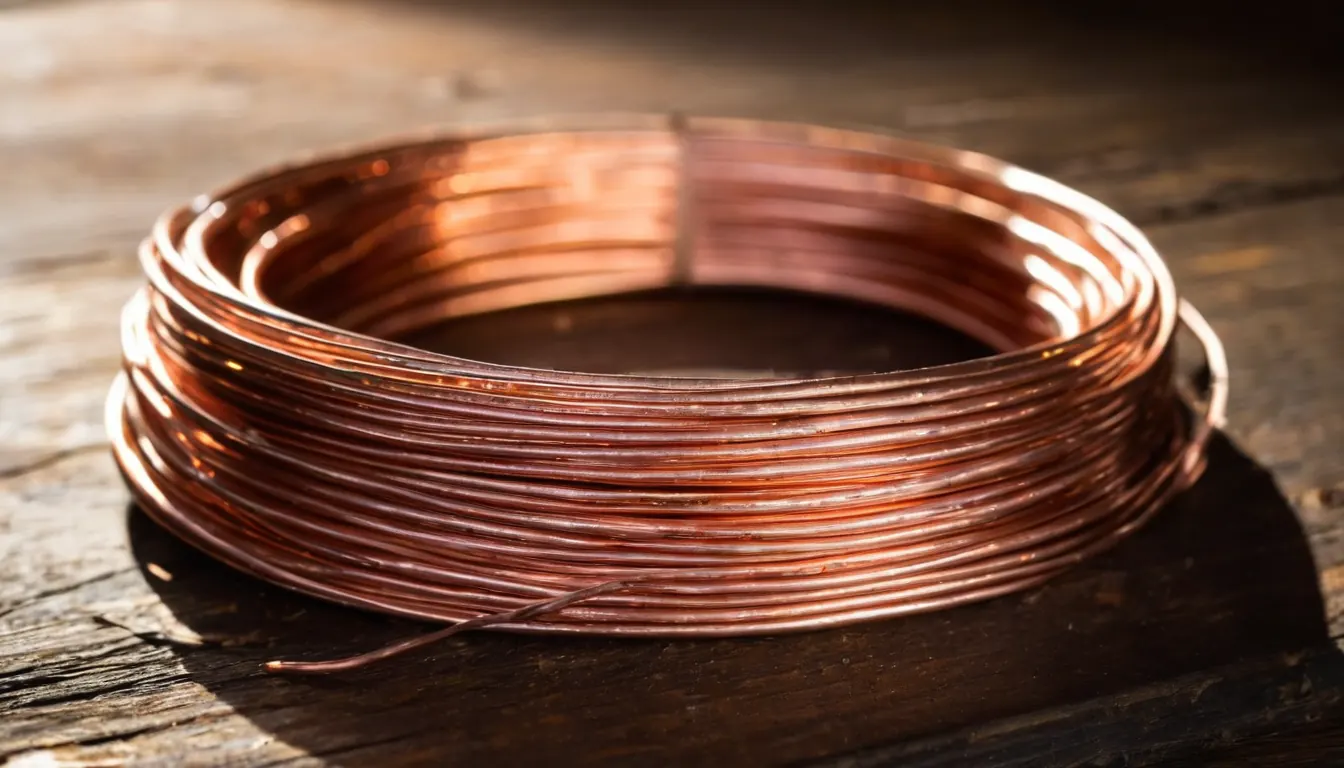
Some homes built from the mid-1960s to the mid-1970s were wired with aluminum branch circuits instead of copper. The wire itself is not the main concern. The connections are. Aluminum expands and contracts more than copper and can loosen at outlets, switches and splices, which can lead to overheating. If your house has it, you do not necessarily need a full rewire. A common repair is to add short copper pigtails at each connection, using connectors specifically approved for joining aluminum to copper. We can confirm whether you have aluminum wiring and price both approaches.
Two-prong outlets and missing grounds
A two-prong outlet usually means the circuit has no ground wire. Swapping in a three-prong outlet without a ground is unsafe and misleading, because it suggests protection that is not there. The code allows a few fixes. We can run a new grounded circuit, add a ground where one can be reached, or install GFCI protection, which guards people against shock even without a ground and must be labeled to show there is no equipment ground. Computers and sensitive electronics still do best on a grounded outlet, so we look at how each room is used.
How a rewire works
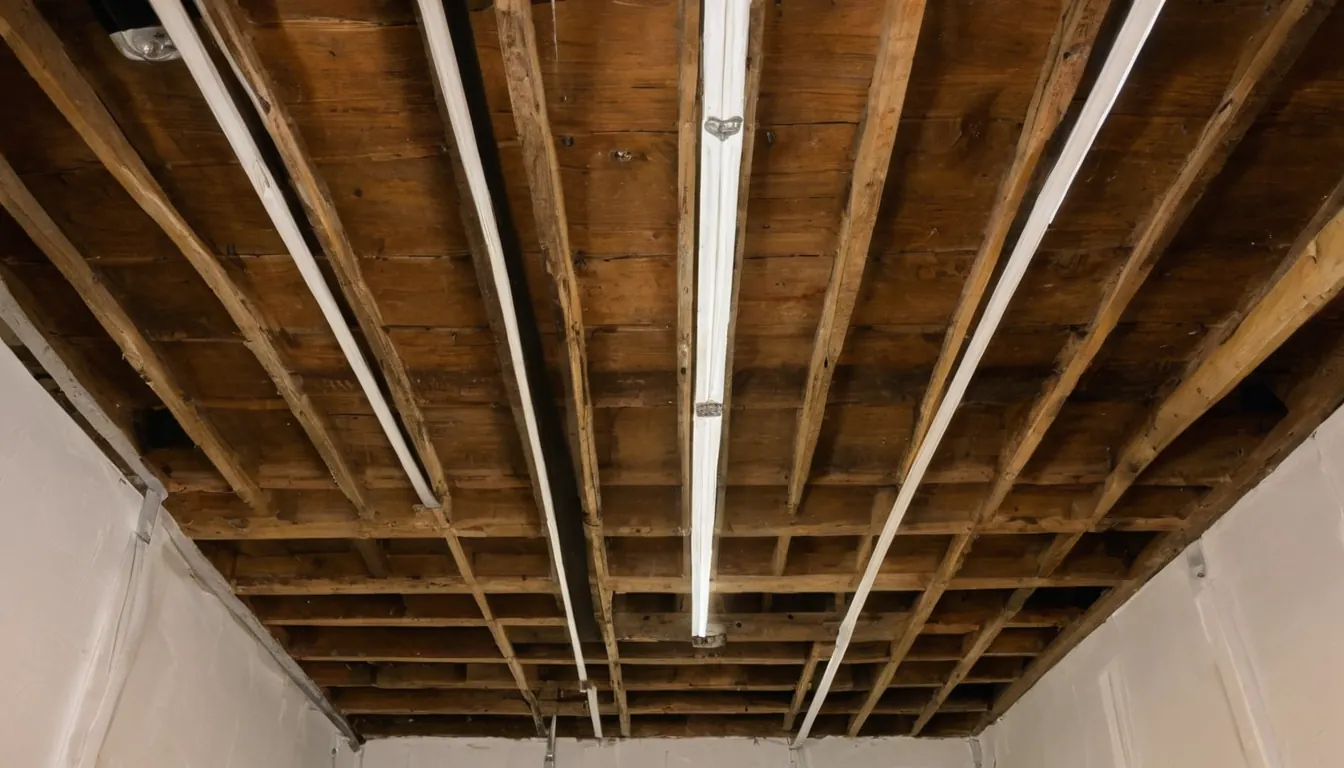
Most rewiring can be done while you live in the house. We plan the new circuits room by room, then fish new cable through walls and ceilings from the attic and basement, cutting small openings where we must. Old wiring is disconnected and left in place where removing it would mean tearing out walls. A full rewire of a typical house takes one to two weeks of work, plus inspections. We pull the permit, and the inspector checks the new wiring before the openings are closed. We patch the openings we make, and painting is quoted separately if you want it.
Areas served
Home Rewiring across Denver Metro
What you get
What's included
Wiring inspection
Written findings and photos of what we see in walls, attic and panel.
Room-by-room plan
New circuits laid out around how you use each room.
Code-required protection
AFCI and GFCI protection added where the code requires it on new circuits.
Permit and inspections
We pull the permit and meet the inspector at each stage.
Drywall patching
The openings we make are patched and ready for paint.
Pricing
Home Rewiring cost guide
| Job | Typical range | Notes |
|---|---|---|
| Wiring inspection | $150–$350 | Written findings and photos |
| Grounded outlet or GFCI upgrade | $150–$450 | Per circuit |
| Aluminum wiring pigtail repair | $3,000–$7,500 | Whole house, depends on the number of devices |
| Partial rewire | $2,500–$8,000 | A few circuits or one floor |
| Whole-home rewire | $10,000–$25,000 | Typical 1,200 to 2,000 sq ft house, patching included |
Get a price for home rewiring
Tell us what's going on. A Cedarvolt Electric electrician will call you back.
- Work guaranteed for 12 months
- Financing available on larger jobs
- Fully insured
Prefer to talk? (303) 555-0118
The online form isn't set up yet. The fastest way to reach us is by phone.
Call (303) 555-0118Why choose us
Why Denver Metro calls Cedarvolt Electric
Upfront prices
You approve the price before we start
Same-day service
Most calls booked the day you call
Licensed and insured
License number on every invoice
No subcontractors
Our own electricians on every job
5 out of 5 stars
Our 1950s ranch had two-prong outlets almost everywhere. They grounded the circuits they could reach, added GFCI protection on the rest and explained the labels. Clear about what was needed now and what could wait.
Brianna H., Wheat Ridge · Google
Sample review
5 out of 5 stars
The kitchen breaker tripped every morning when the toaster and the kettle ran together. They split the counter outlets onto two circuits and replaced a worn GFCI. No more tripping.
Nora L., Englewood · Google
Sample review
4 out of 5 stars
A wind storm pulled the service mast off our garage at night. They made it safe, came back in the morning to rebuild it and dealt with the inspection and the utility. It took two days because of the inspection schedule, but they kept us in the loop.
Mike F., Parker · Google
Sample review
The process
How it works
Inspection
We open outlets, look in the attic and panel and note what we find.
Plan and quote
A room-by-room plan with a written price and a schedule.
Rewire and inspect
We run the new wiring and the inspector checks it before walls are closed.
Patch and walkthrough
We patch the openings, label the panel and show you what changed.
Need home rewiring today?
FAQ
Home Rewiring questions
Is aluminum wiring dangerous?
The concern is the connections, which can loosen and overheat at outlets, switches and splices. It can be made safer without a full rewire by adding copper pigtails with connectors approved for aluminum to copper. We can confirm whether your house has it.
Can I just replace two-prong outlets with three-prong ones?
Not without a ground. A three-prong outlet with no ground suggests protection that is not there. The options are a new grounded circuit, adding a ground where it can be reached, or GFCI protection labeled to show there is no equipment ground.